The Head Count a Caterer Works From
A count of expected guests becomes a purchasing and staffing decision before anybody arrives. An order makes more sense once the estimate, guarantee and number served each have their own place.
In this story 5 sections
The first person at a buffet has no way to see the head count that started it. The trays are in place. There are plates and a point from which people can serve themselves. To put those things there, someone needed an approximate size of gathering before they saw the first guest. At some later point a number may have become a commitment used to buy ingredients, assign staff and set a bill. Neither figure is necessarily the number of people who eventually eat.
University of North Dakota Dining Services publishes a policy for a final guaranteed guest count, with its own provisions for both billing and preparing for variation. The University of Toronto Scarborough describes catering support across different sizes of events and the work of setting up the space. These are particular services, not agreement on a universal rule. They illustrate why a caterer has to plan for numbers and for what the room will be asked to do with them.
An estimate can be revised; a guarantee sets a decision point
Suppose a fictional organiser expects sixty people at a meeting. Two weeks earlier the count was fifty five. Registrations may still arrive, but the person arranging the food needs to know which number will be used under the agreement. In this made-up case the caterer asks for a final guarantee of sixty three by a named date. Saying it is a guarantee means something about how the caterer will plan or bill. Check the actual terms to see what that meaning is; a separate estimate can still give the expected attendance.
Some event plans contain a minimum order, even if the expected count falls. The minimum may describe the number of portions or the amount spent. The guarantee may describe a later commitment for a larger order. An organiser who uses the words interchangeably can misunderstand what amount may change and what remains fixed. A useful document gives each named quantity its own field and locates it on the schedule.
A forecast can change much faster than work can be reversed. A later cancellation can free a chair, while the ingredients ordered and time reserved for service have already been committed. A last-minute registration can fill that chair without necessarily restoring the same menu or service capacity. Counting seats and counting work are related because the gathering has a size, but the two can be affected at different times.
Multiply the prepared number and the served number separately
For a deliberately simple example, a hypothetical agreement charges eighteen dollars per guest based on the guarantee of sixty three, plus a fixed ninety dollars for delivery and setup. The per-person element is 1,134 dollars. The total under those assumptions is 1,224 dollars before any separate charges. If fifty nine guests arrive, the attendance is lower. The amount remains the example total because the assumed billing rule used the guarantee. This calculation describes invented terms rather than a published rate.
If an additional six people appear instead, what happens depends on the actual capacity and contract. The caterer may be able to provide more meals or may reach a limit. The way extra servings are charged may also differ. It is easy to change one value on a spreadsheet and calculate an amount for sixty nine. Changing the plan in the room still requires real portions, a way to serve them and people able to do the work. A promise to try to accommodate more is not the same as a guarantee that all meals remain available.
It can therefore help to keep three fields after the event: guaranteed, prepared and actually served. A caterer might prepare spare portions under a particular policy, but this does not make all additional food the same as additional billed attendance. On a later job, the gap between the figures can show which forecasting assumptions were useful. A receipt by itself may describe billable quantities and give little evidence of how the dining area worked.
Some costs follow time even when two groups are the same size
A staff member may be needed to set out a buffet and later collect equipment. Some services keep staff in the room for an interval. A schedule can ask them to work through a slow start or to serve many people in a short break between talks. Two events with sixty guests can use fairly similar quantities of food and ask for very different staff arrangements. A table prepared for guests describes one moment, not the whole working interval.
For a comparison, take two fictional bookings with the same menu. One can use a broad serving time. The other needs everyone through a narrow corridor at noon, between two sessions. In the second case queues may become important even if ninety percent of the work in a kitchen was identical. The organiser and provider can ask how long people have, what space can be used and whether the service is to be staffed. A per-person rate alone cannot answer that.
The setup also has to fit the venue. Timing for access, where items can be unloaded and when the room must be cleared all belong in the plan, especially if delivery is priced separately. A site that can receive a delivery in one trip presents a different use of time from one with several floors and limited access to equipment. Published descriptions of event support often include these arrangements alongside menus because the two are used in the same project.
Work out which requirements the count cannot describe
A meal plan can have varieties, serving formats or equipment needs that do not fit in one headline number. A count is still useful, but it does not specify how a group will move through a buffet or whether some meals must be separately identified through the provider's process. Confirm any special requirements with the relevant organiser and catering service. A person should not infer from a count that all portions are the same or that a photograph of one buffet records everything available.
A drop-off and a staffed service can also use different arrangements for the same guest count. One booking could deliver trays in a specified window and finish when the supplied items are handed over. Another could include serving and cleanup. It would be misleading to compare the two solely by dividing total price by attendance and concluding one charges more for the same food. First identify whether the amounts include the same work. The schedule gives a useful place to compare operations after the menu comparison is complete.
Put the agreement next to the running order
The next useful document after the guarantee is a run sheet with times. It can show when staff are allowed in, the point at which food is to be ready and when the hall needs to be empty. If the organiser moves a talk and would like the service window moved as well, the two changes should be communicated together. The caterer may need to review which hours can be covered. A list of names and a menu give little evidence about whether the revised plan leaves enough room for the people involved to do their part.
For a small made-up comparison, imagine that one staffed service reserves three workers for two and a half hours each. That is seven and a half person-hours, although the event itself occupies only two and a half hours. Extend the booking by half an hour with all three workers present and the change adds one and a half person-hours. Leaving the guarantee at sixty three does not describe the increase. A change that preserves the food count can still change staffing cost and availability. The contract, not this arithmetic, determines whether and how the added time is charged.
A late addition can likewise have two separate effects. A revised guest count could change what needs preparing, while a tighter schedule changes the way it must be distributed. Writing a new total in one cell is useful for one of the decisions, and a note about the service window can be useful for the other. When the order is reconciled afterwards, the difference between them helps everyone see why a line changed even if the number of plates observed during the meal was similar. Each modification can be confirmed by the person responsible for the affected work, rather than assigned to whichever person last opened the booking file.
A helpful event file gives space to the guest estimate, deadline for the guarantee, included services and relevant changes. It also says who communicates them. A worker making a rota has different questions from a host taking registrations, and both need the same current number when changing the plan. If a count was revised after the menu was agreed, leave the date and any resulting changes visible for the people doing the work.
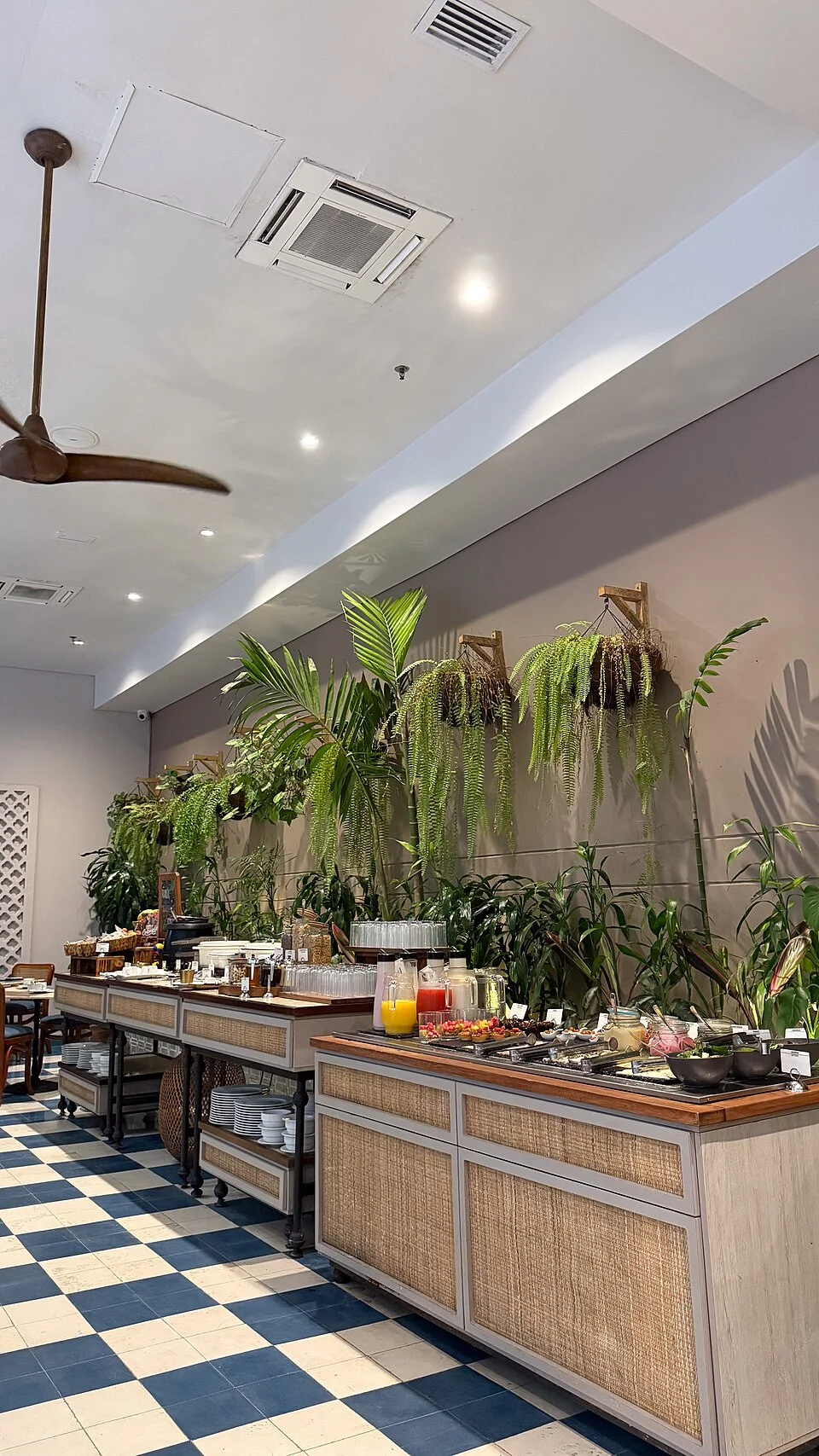
The pictured buffet in Colombia gives an idea of the physical arrangements behind the service, not a record of the prices or policies in these examples. The next person to walk up to it will see a ready surface and a place to start. An organiser planning an event has to look back further. The useful price belongs to a number of people, a named service and a defined amount of time. When all three are understood, a head count can do the job it was given to do.