When a Shoe Order Comes in a Size Run
A shoe store can have a shelf full of one style and nothing in the size someone came for. Ordering a range means deciding how the pairs will be distributed, not just counting the cartons.
See what the shelf and receipt leave out of the supply chain.

A shoe store can have a shelf full of one style and nothing in the size someone came for. Ordering a range means deciding how the pairs will be distributed, not just counting the cartons.

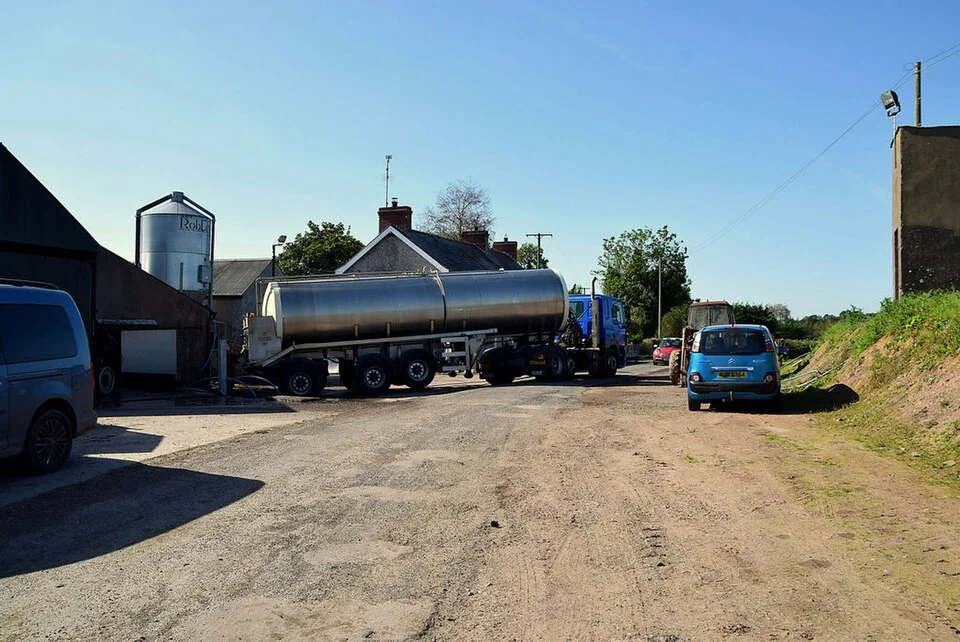
A collection tanker can pick up the same total volume on two routes and spend very different amounts of time. Distance, stop time and saleable capacity each affect the haul.

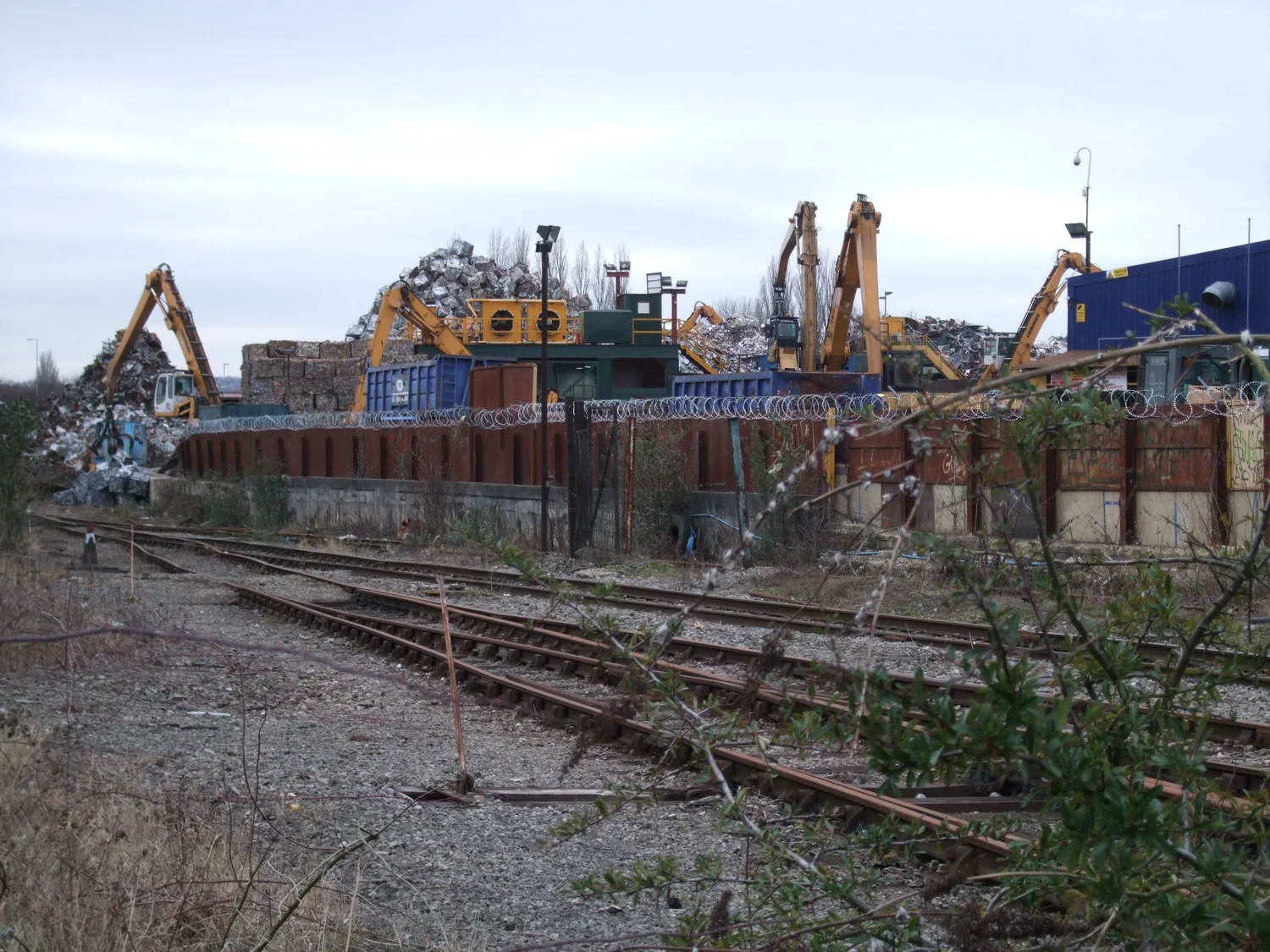
A loaded vehicle and an empty one can tell a yard how much material changed hands. The remaining questions are which metal was weighed, which rate applies and what the ticket actually records.

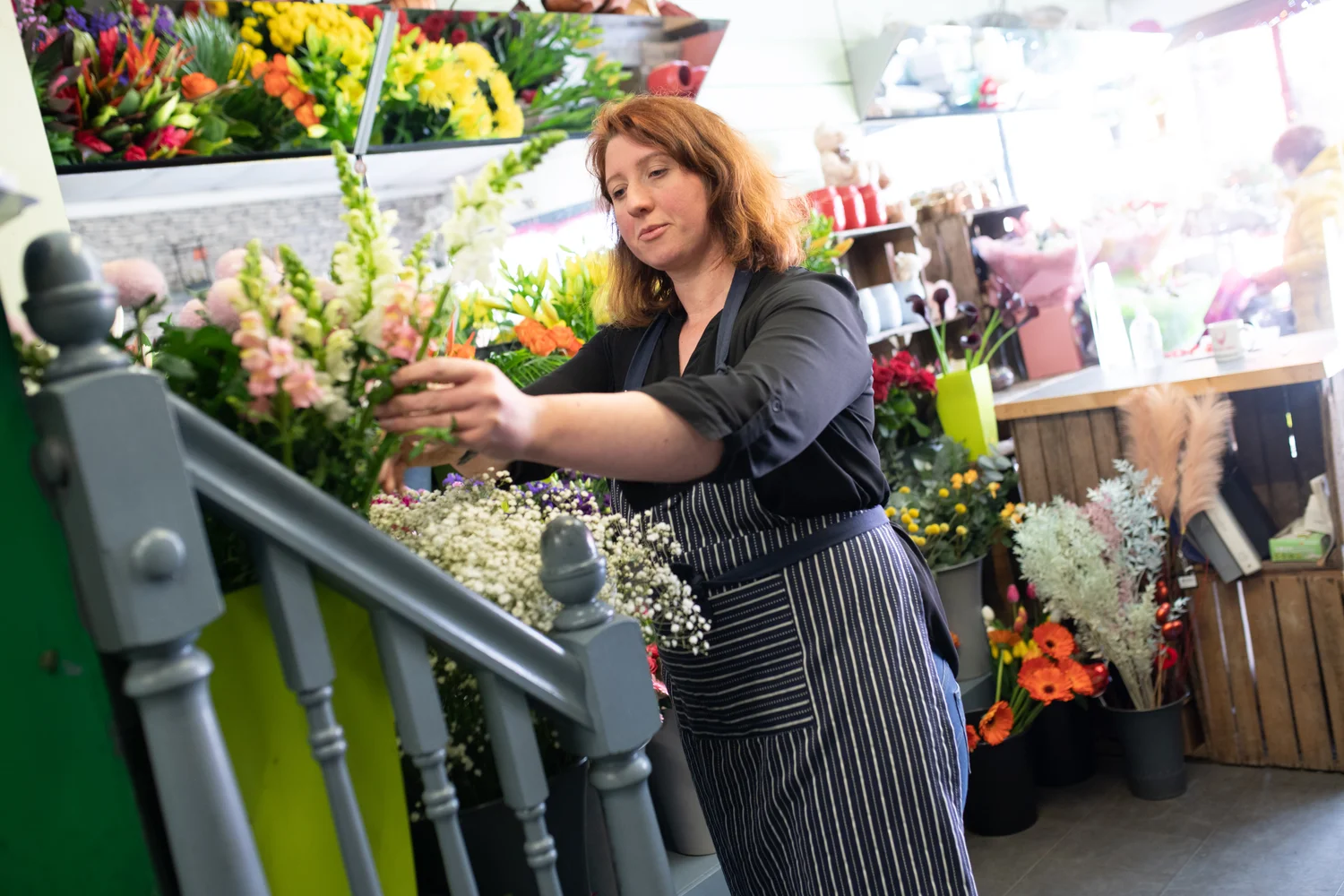
A wholesaler sells stems in bunches, a florist bills for an arrangement and a customer sees flowers in a vase. The three counts can diverge before one petal is sold.

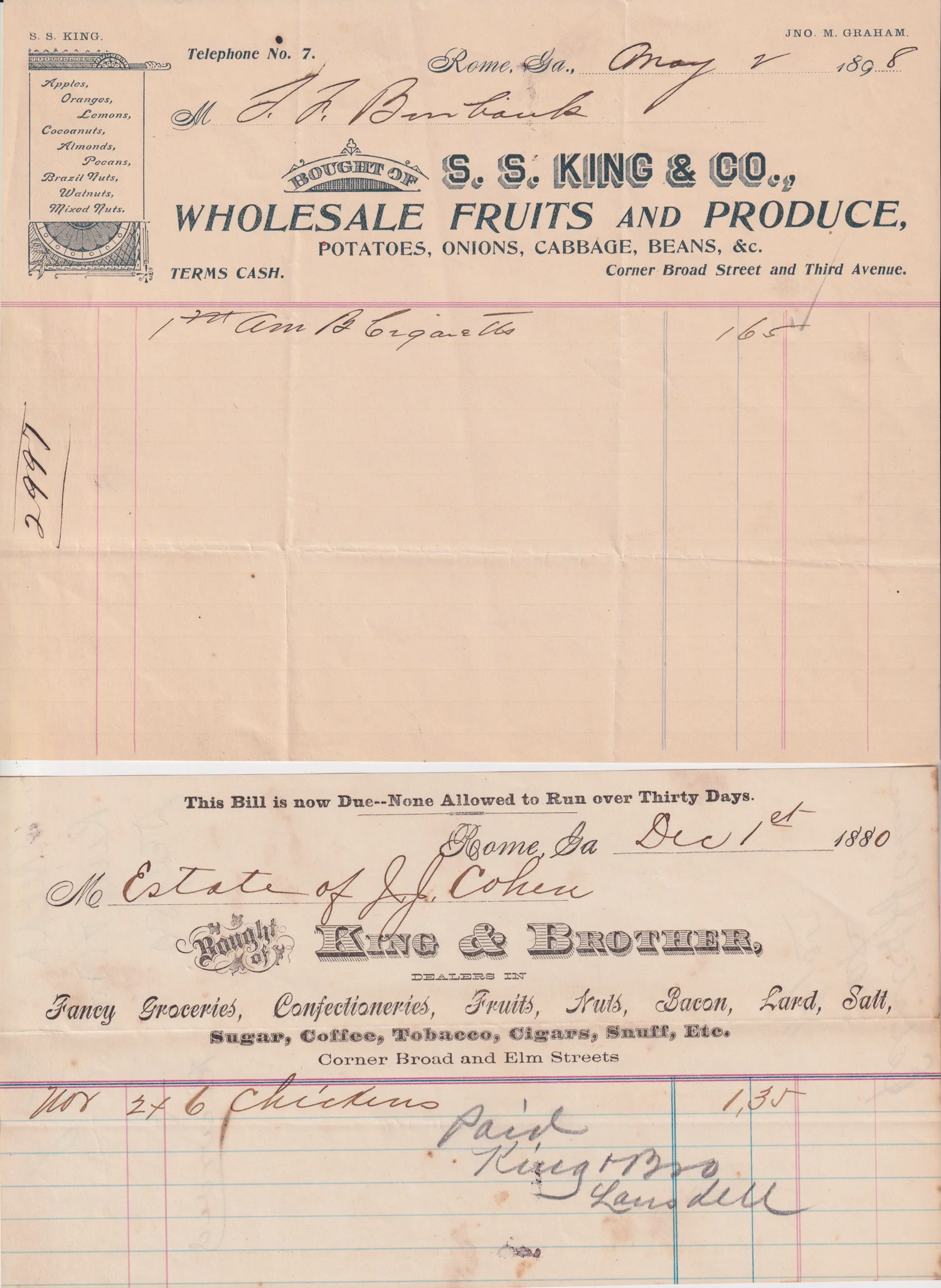
A supplier can deliver today and receive cash next month. The invoice date, agreed due date and actual receipt belong on three distinct lines in the business record.

A staffed pickup point lends space and working time to a carrier. Whether that helps the customer, the shop and the delivery route depends on who does the work that remains.

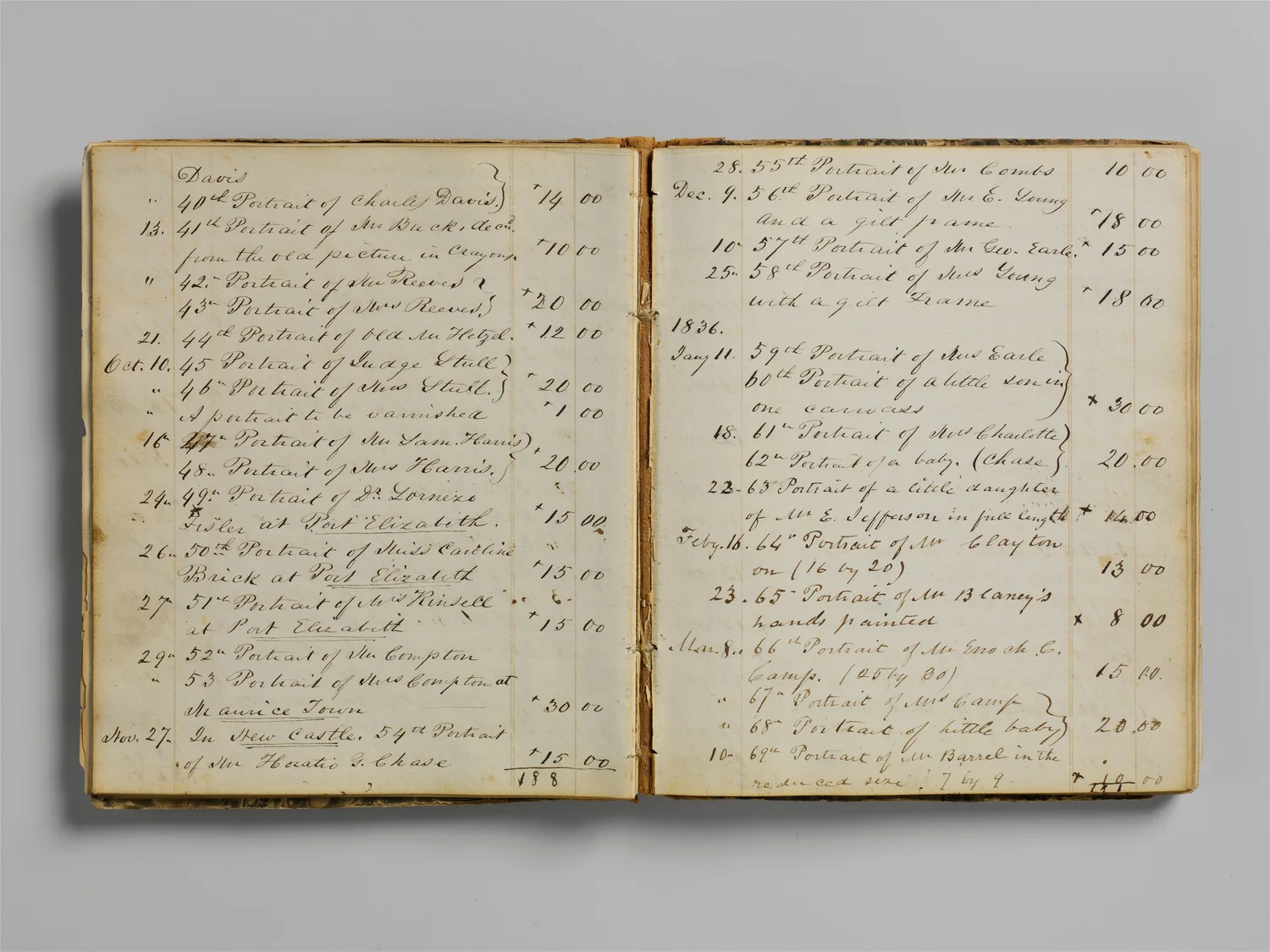
An order, a delivery record and an invoice can describe the same shipment in different quantities. A small example explains why making them agree takes a little investigation.

A wholesale case size, a minimum quantity and an order minimum can all constrain the same purchase. Writing them on separate lines shows what a small shop can actually order.

A light parcel can be charged for the space it occupies. Understanding dimensional weight means measuring the outside of the filled package, with the carrier’s rules in view.

A food hub can rent the same shelf to several growers in a week, provided the hours between deliveries and pickups leave space for everyone’s goods.

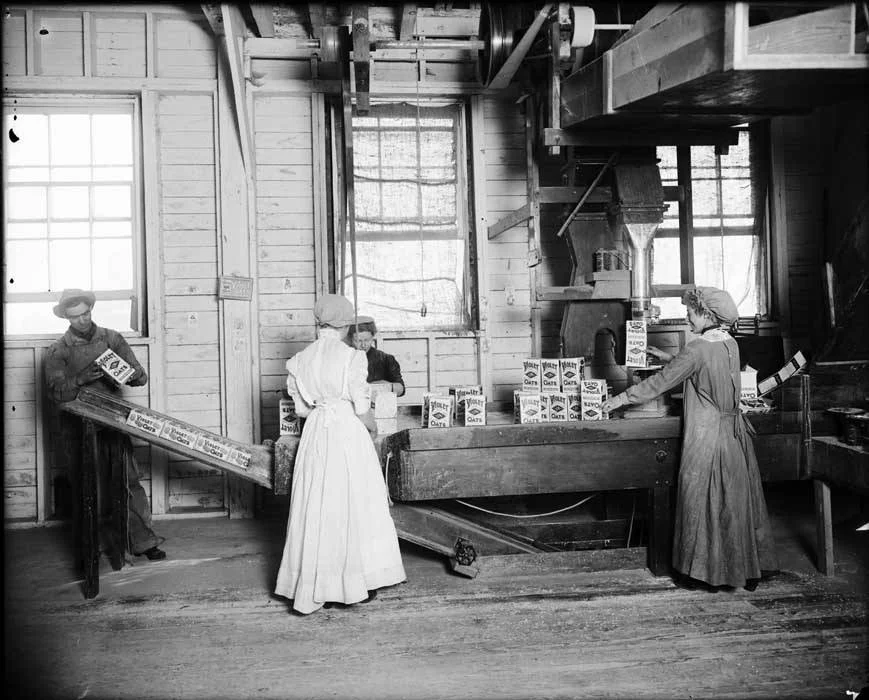
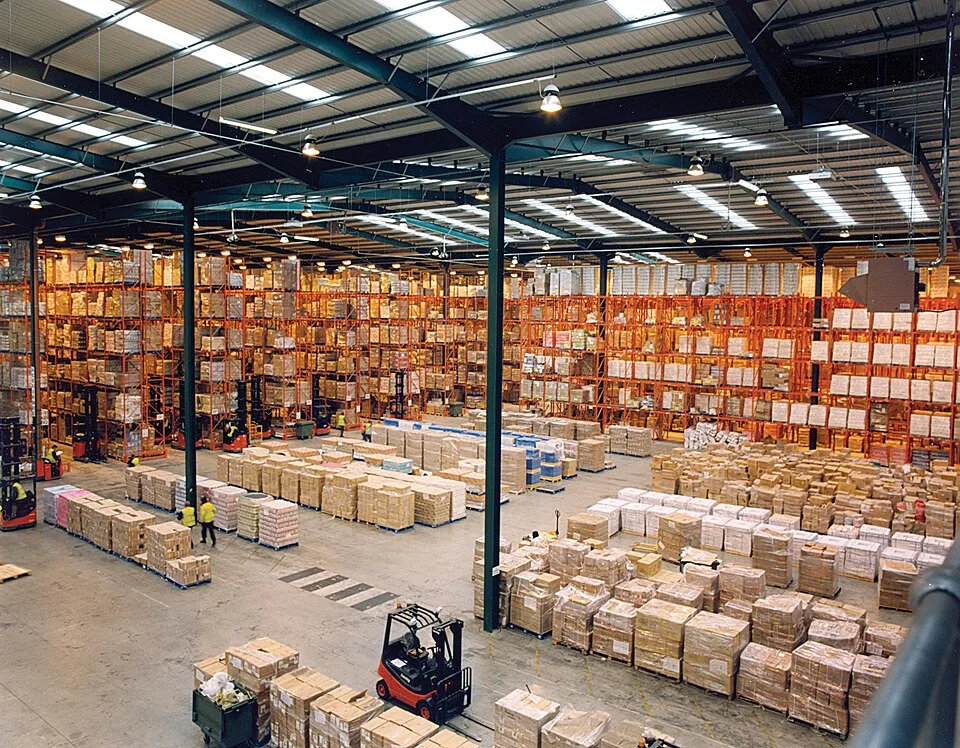
A pallet position has value only if the right load fits and someone can reach it. A warehouse’s capacity depends on its movement as well as its floor area.

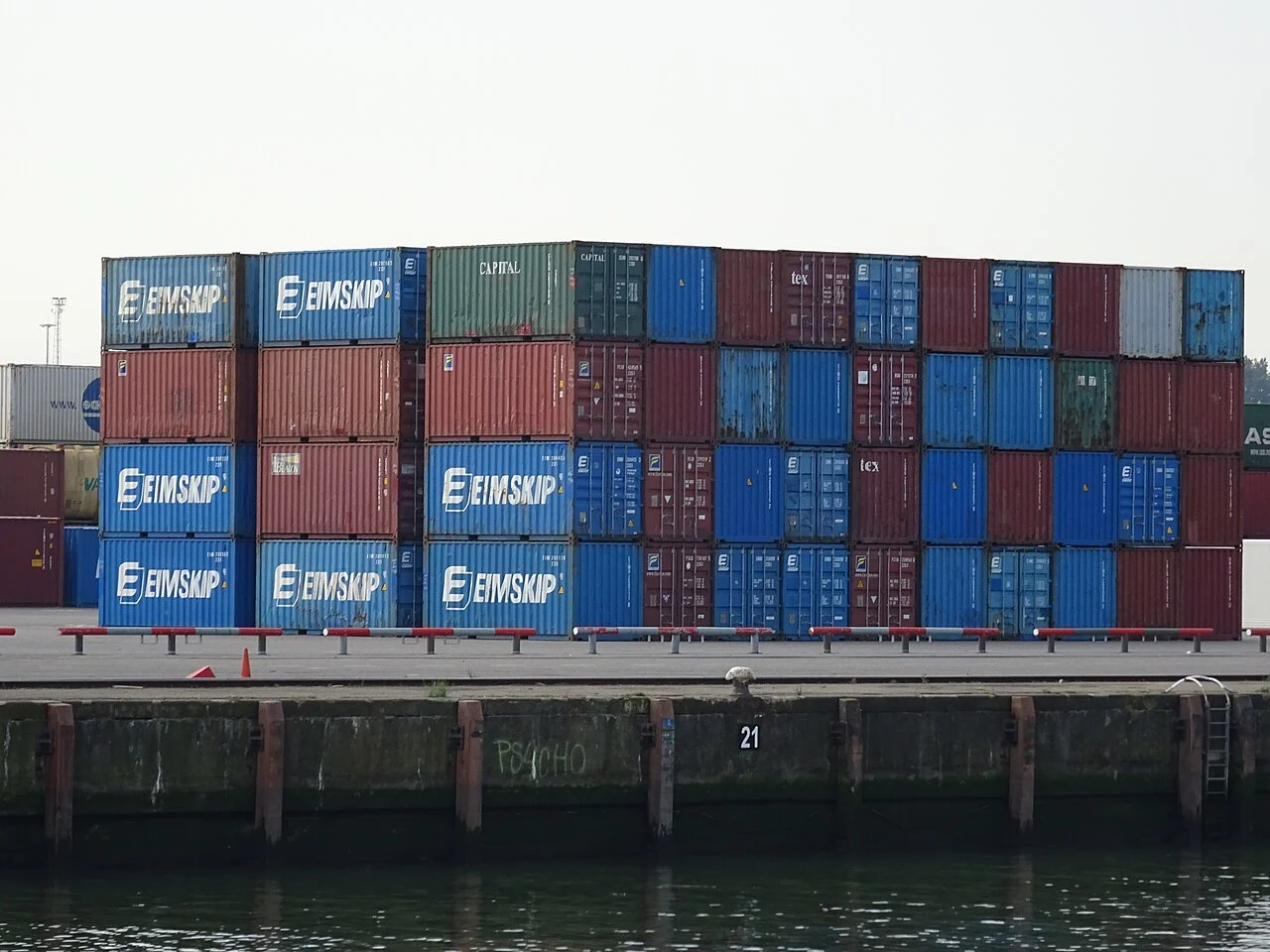
Once a load has been delivered, the container itself still has to get to its next job. Its location, type and time out of use explain many apparently wasteful trips.