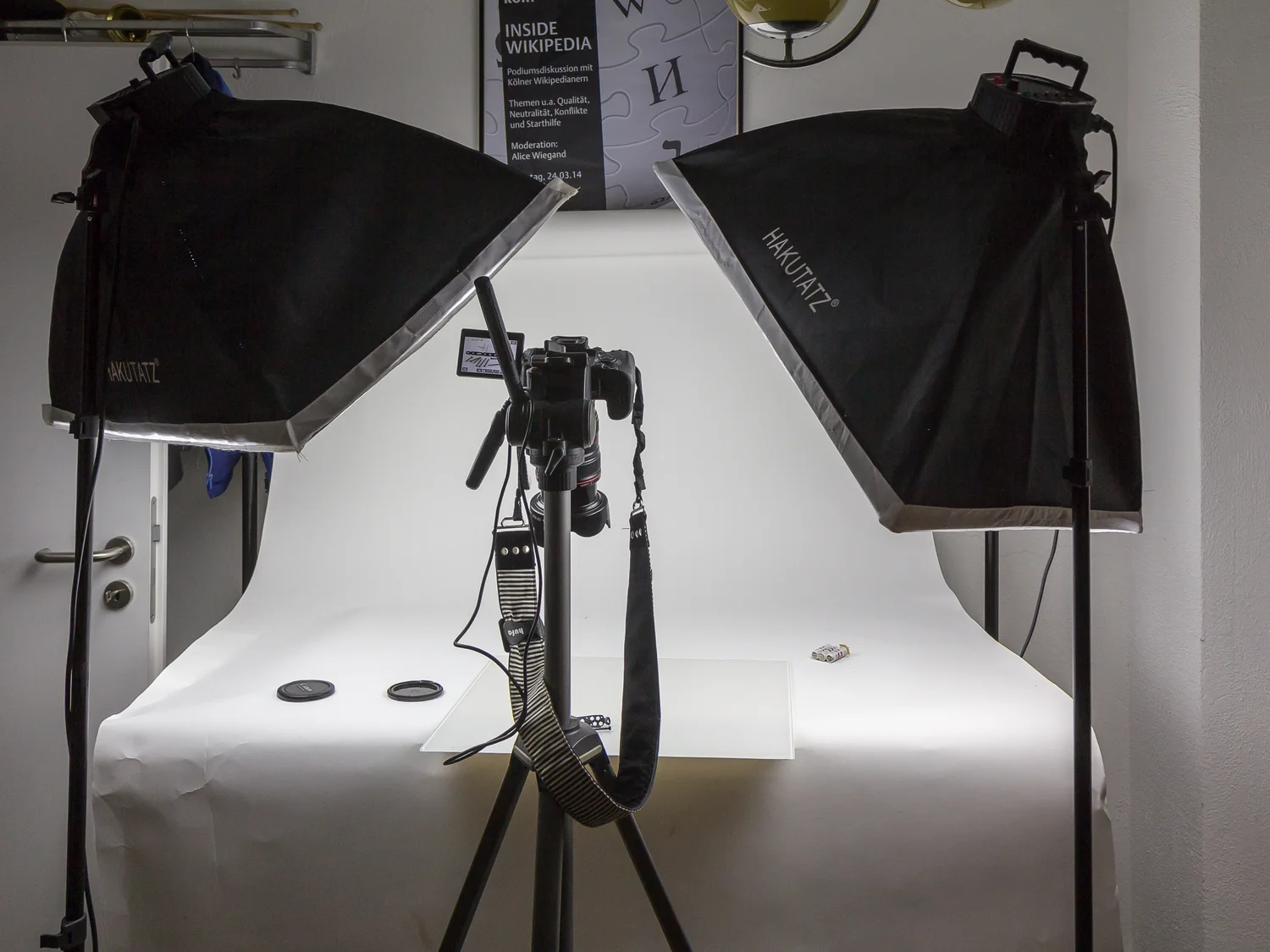
What a Photo Studio Rents by the Hour
An hour in a studio includes more than the time a camera is taking pictures. A useful estimate identifies time for setting up, making the images and leaving the room ready for the next booking.
Understand the everyday decisions that shape a local business.

An hour in a studio includes more than the time a camera is taking pictures. A useful estimate identifies time for setting up, making the images and leaving the room ready for the next booking.

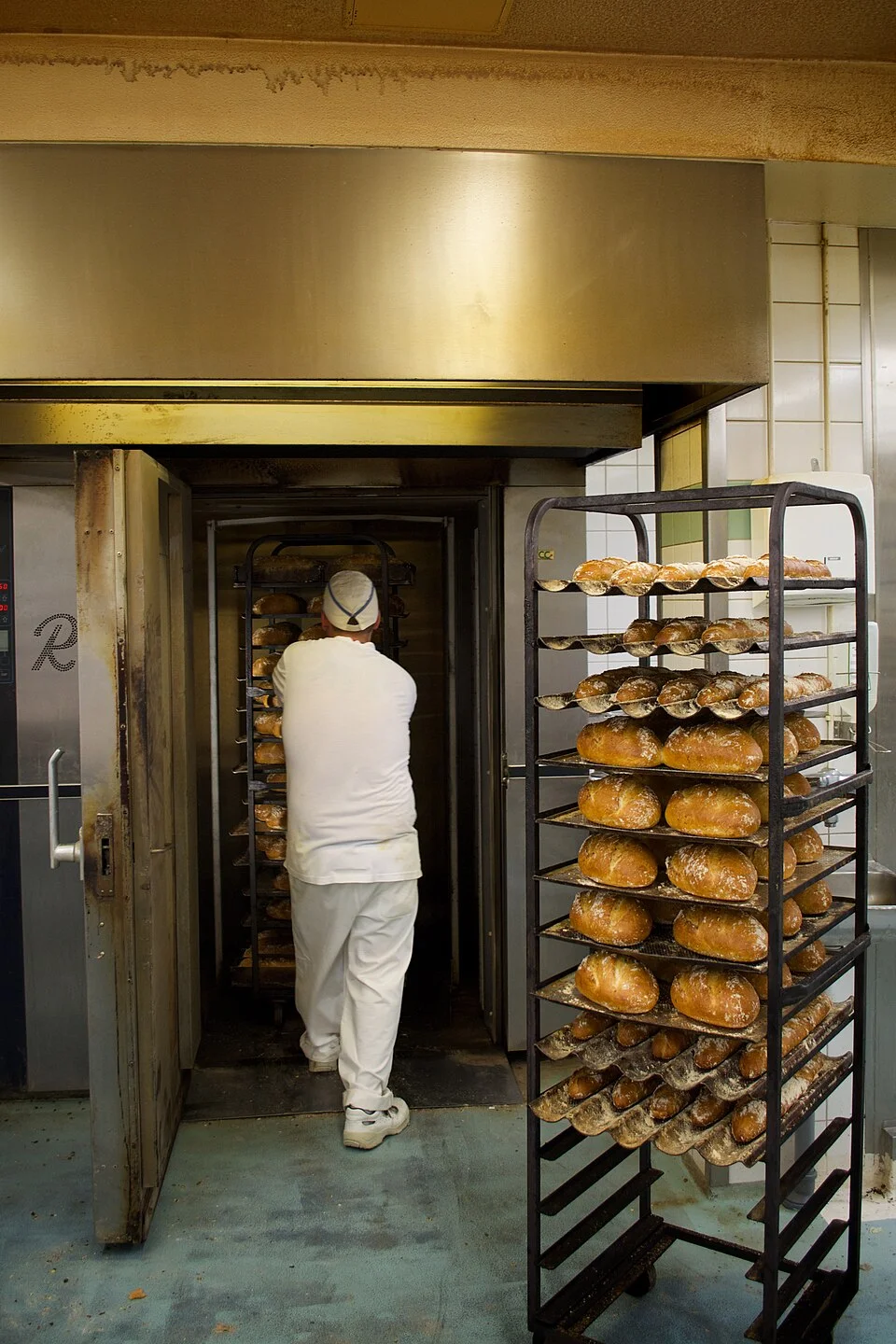
The cost of fitting an extra loaf into a tray is small beside the cost of starting another load. An oven schedule shows where the difference comes from and what happens when the bread is not ready at the right time.

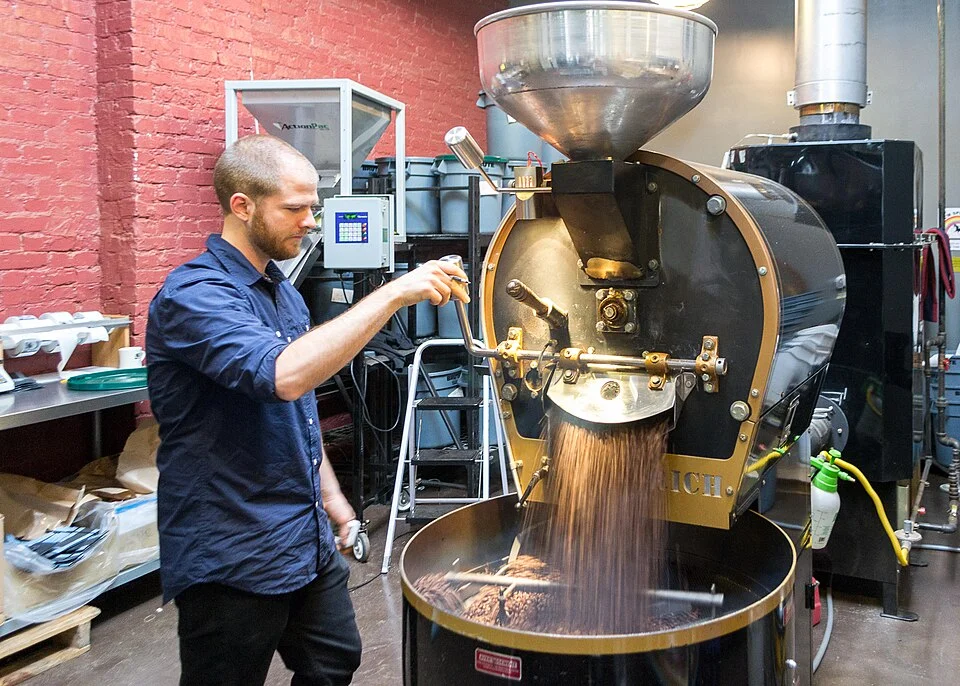
Green coffee is bought by weight and roasted coffee is sold by weight. Weigh both and a producer can estimate how many bags can actually be filled, and what each one needs to cover.

A company sends a scale away and receives the scale and a report. The value of the job depends on which readings the lab compared and which business decisions those readings support.

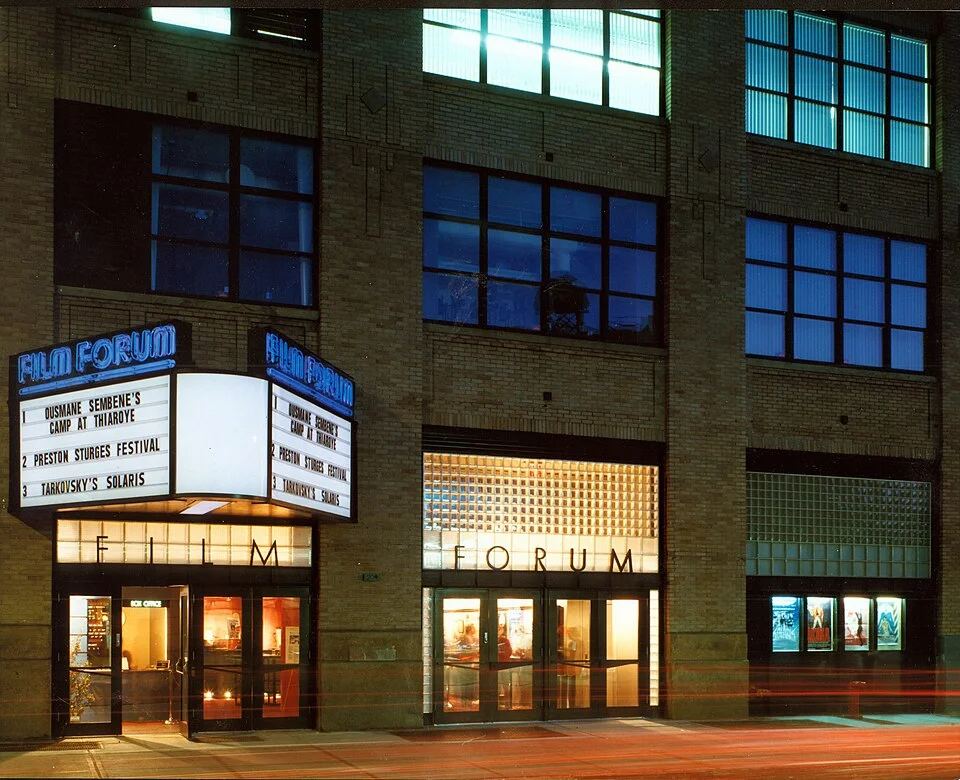
A cinema can sell a ticket at the box office without keeping its full amount. Film licences, concessions and the cost of an unused seat belong to different parts of the calculation.

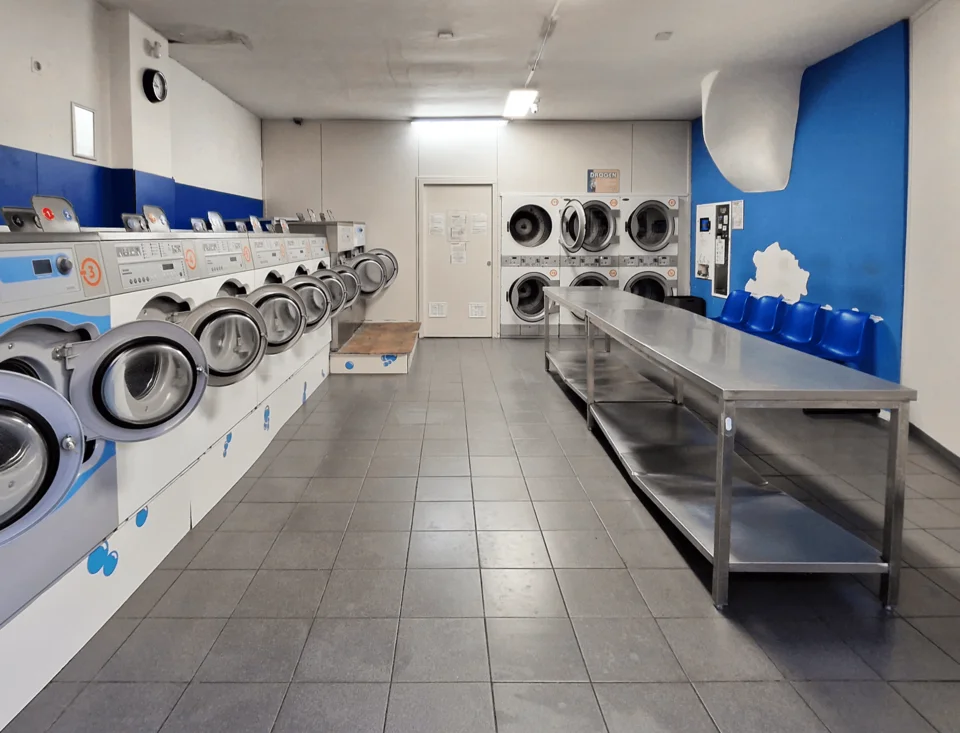
The price on a washer buys a cycle in a machine of a particular size. Heating, repairs, drying and the hours nobody comes are part of the business calculation.

A return can send the money back before the merchandise has a usable place on the shelf. Following the two movements reveals costs a sales total cannot report by itself.

A shop can have an item in the building and still have none left to sell. A good count keeps physical presence, outstanding orders and saleable stock apart.

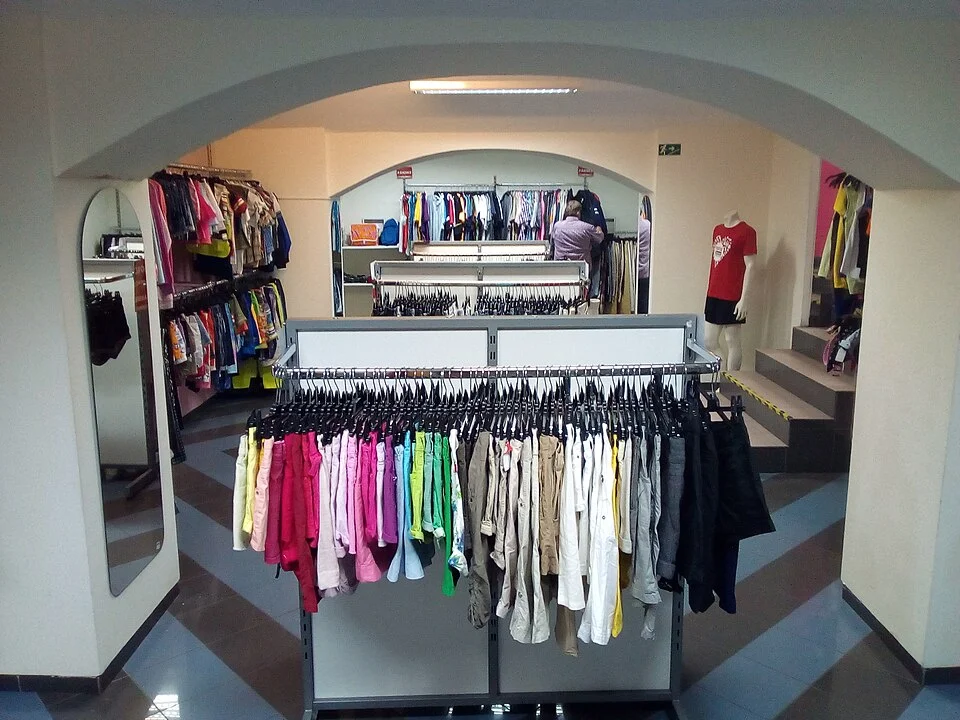
A consignment tag describes a possible sale, not an amount already owed to the person who brought the coat in. A short example shows how the settlement changes.

A rental gives a customer access to a machine for a window of time. It gives the shop a promise about when the same machine can become available again.

At a campus bookshop, an apparently identical used copy can go from valuable to surplus when the expected class is full or a new edition arrives.

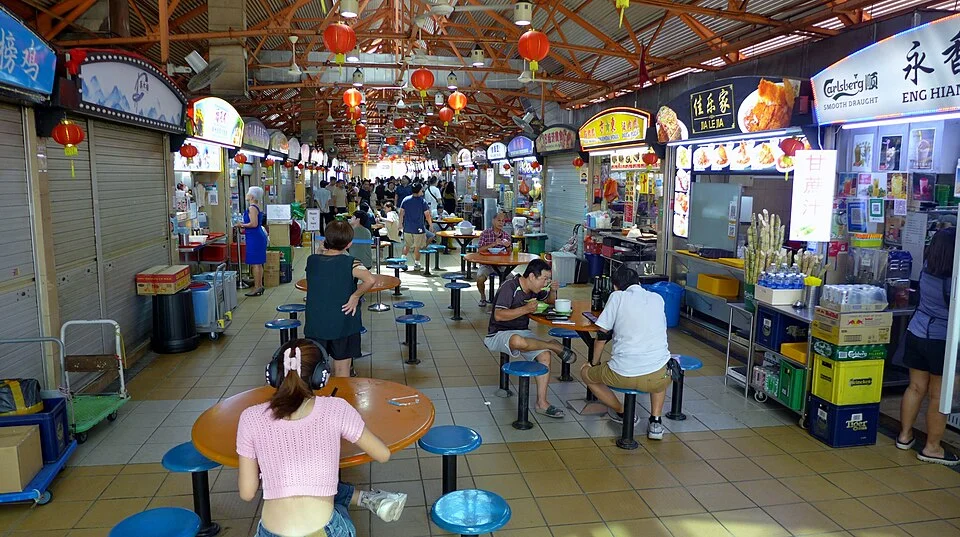
At a Singapore hawker centre, each stall can offer its own menu while relying on a room that many stalls and diners use together. That arrangement changes how a small food business uses space and serves a rush.

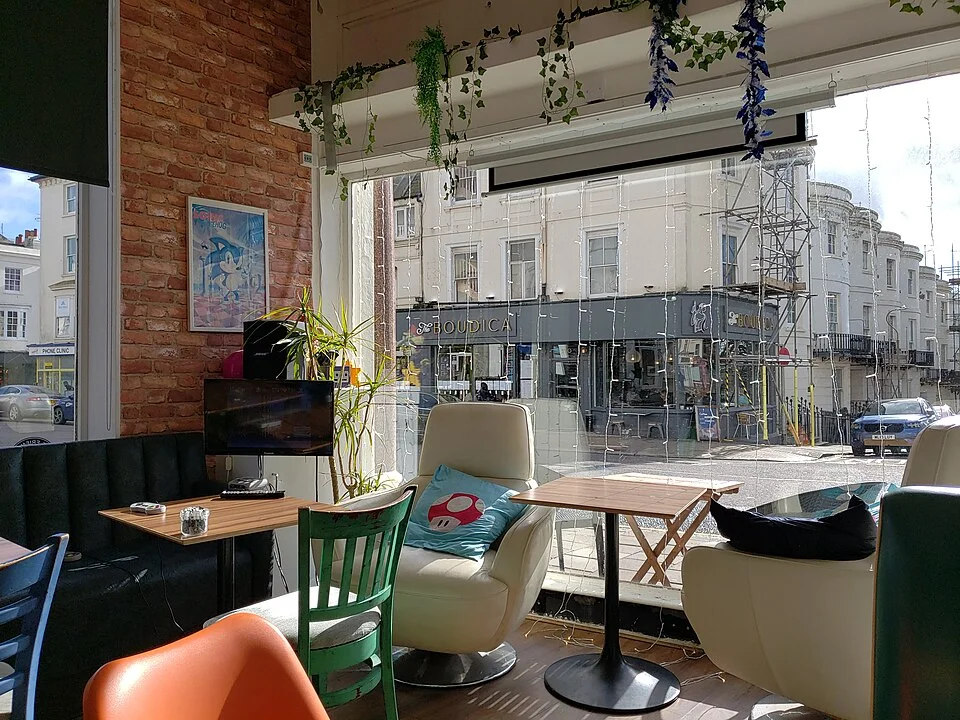
Furniture shapes the speed of service, the comfort of guests and the work a café can take on. The economic case for an extra table depends on the room around it.