What a Return Does to a Sale
A return can send the money back before the merchandise has a usable place on the shelf. Following the two movements reveals costs a sales total cannot report by itself.
In this story 5 sections
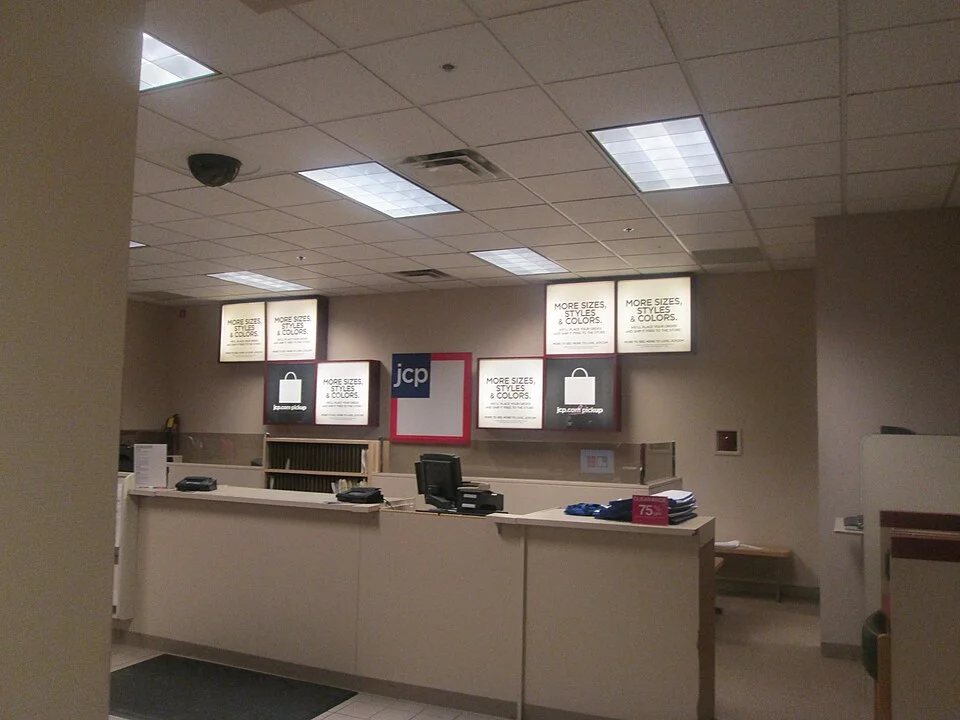
A customer comes to a counter carrying a box about the same size as the one that left the store last week. They have the order information. The person helping them can locate the sale and begin putting most or all of the payment back according to the arrangements that apply. The object will still have a separate trip to make. Someone may need to inspect it, check for its parts and decide whether it can go back into stock. The two trips are easy to confuse because both began with the same order number. One is about returning a payment. The other is about recovering a good that someone may be able to use.
A small business can make a decision about the economics of returns only after treating those things as different operations. Starting a return, receiving an item, sending money and making stock available need not be the same step. Shopify’s guidance distinguishes actions involved in processing returns and issuing refunds in its system. The specifics of a real sale depend on applicable conditions. A fictional example can show why a month’s total sales before returns will say very little about what happens on the other side of the counter.
Give the book two lines
Imagine a shop sells a reading light for $50. The shop’s cost of getting that item into stock was $28. Ignore sales tax, overhead and any other charges for this example. The arithmetic begins with $50 of sales and $28 of cost, giving a gross difference of $22 on the initial transaction. Now suppose the customer returns it under the shop’s requirements and receives a full refund. The sale and refund cancel in this simple sales comparison. The business still has to know the condition of the light and how it should account for the inventory that came back.
If it is ready to sell again after the appropriate check, the item can return to useful stock. That does not restore the original sale. If it can no longer be used and has no recovery value in the example, the store could be left with the original acquisition cost and no sales proceeds. There can also be results between those two. Suppose the light can be offered under appropriate conditions at a lower price later. A lower recovery is different from either having no saleable item or simply putting an indistinguishable new one back on the shelf.
Now give the process an illustrative $6 of time and supplies to handle the return. That figure is not a general estimate. It gives the cost of getting a particular case from arrival to its next usable state in the invented ledger. A store that restocks the light in good condition may still absorb that effort. A shop that cannot restock it has the handling work and a lost or reduced recovery. It is possible to post the right cash reversal without entering those differences into a monthly account of how much work the business did or what it recovered.
Keep possession and saleability separate
An original packing list can say what went with the item. The return record can describe what came back. A lamp with one removable part missing is not the same stock decision as a box that has become worn outside while everything within it is intact. Somebody needs a consistent way to establish the difference before reporting the item as available. A customer may have used it in the ordinary way or never opened it. The result of the inspection belongs to the actual thing returned, not to a guessed reason based on the distance it traveled.
There is also an information problem. A business using several locations may receive the item at a place other than the one that sent it. If its financial records follow one order number but the inventory must be recorded at the actual place, a single button can have tempting effects. Issuing the financial change at one location need not demonstrate which storeroom has the item. In a sensible transaction history, note each location that matters and separate what has been received from what still needs review. A matching reference can then be used to combine the evidence without pretending one label contains it all.
It can help at a busy counter to define what “waiting for return” means. It might mean the buyer has contacted the shop but still has the item, or the object is already somewhere in the building awaiting inspection. The next useful job in those two scenarios is different. A customer asking whether the refund is complete should not be given a guess based on where a box is. A worker deciding whether they can offer the item to someone else should not be given a guess based on whether a payment was reversed. Confirm the relevant state with the appropriate record.
Compare like periods and meaningful groups
A shop can divide returns in a month by sales in that same month, provided it is clear about what the fraction measures. Many of the returns may belong to sales in a previous month. The result need not approximate the fraction of that month’s sales that were later returned. To estimate the latter, group the sales by a period or other relevant property and give them a comparable time in which their returns can be observed. It is easy to make a month look unusually poor simply because it contains an expected wave of returns from an earlier busy period.
Count items and money separately. Several inexpensive returns can matter a great deal to the people who handle them while having a smaller effect on total refunds than one high-value purchase reversed. Sorting and inspection can have much more to do with the effort per item than with the original selling price. A useful review might contain three short figures: returns counted, refunds issued and inventory with another saleable opportunity. A strong disagreement among the trends is often the start of a useful question about what has changed.
Customer reasons and item conditions are also distinct. Someone may return an unopened gift for a reason that tells the business little about the product’s quality. Several other orders may all come back with the same issue even if the choices on a form give them quite different labels. A manager should preserve descriptions at a level that can be compared without inventing motives. An observed missing component can be counted reliably. A guess that a customer never intended to keep the item cannot be handled in the same way.
Ask when the cost can be observed
Add a fictional set of eight comparable returns. Six come back in condition to be resold at the ordinary price after the work required. One can only be sold for less, and the eighth produces no useful recovery. If each costs six dollars to process in the simplified example, the handling total is $48. That figure is separate from the money refunded and from any later sales. The shop will learn more from keeping the three outcomes visible than from recording that all eight returns were closed in the same week.
Transit adds a further distinction in some businesses. A product shipped once under a sale and shipped back after a return may have had two trips that need paying for under the actual terms. Some costs might belong to different parties. Do not add postage to the shop’s expense without checking which service it actually paid for. Likewise a payment refunded to a buyer and a cost paid to an outside carrier are different transfers even if they were handled by the same interface.
Think about the information a business can act on. If many returns required needless trips between branches or a repeated missing part, an improvement may involve how an order is described or packaged rather than how the final refund is entered. Record specific, observed conditions. That gives the people responsible for the first shipment a reason to pay attention to the information produced at the last counter.
The new sale may be days away
Consider a group of returned items kept intact while someone compares the records after a weekend. They give the shop several possible uses in the future. As a set they have not yet become dependable stock. The person arranging the next display benefits from knowing when they are likely to be ready, and from finding out which items can be prepared without additional supplies or delays. That is a separate time problem from the one addressed by finding the original order. Recording the next expected step leaves a basis for action whether the goods return to sale or leave the system by another appropriate route.
Return to the counter with just three things in view: the order record, the payment and the boxed light. The same person may deal with all three, and still need to say what happened to each. The customer cares about a clear outcome. The business also has to give the good a next place and know what the transaction cost. Keeping the money and the merchandise on different lines gives both people a much better chance of getting an answer they can use.