What a Callout Charge Pays For
An on-site repair has a journey and a first assessment before it necessarily has a solution. Compare quotes by what the first charge includes and what starts another one.
In this story 5 sections
The technician arrives before anyone really knows what the repair will take. They may have had to spend half an hour getting there, bring tools selected for one likely problem and set aside a part of the day in which another customer could not be served. Once inside, their first useful action may be to discover that the expected repair is the wrong one. A charge for that visit can be hard to understand if someone compares it only with the minutes spent tightening or replacing something in full view.
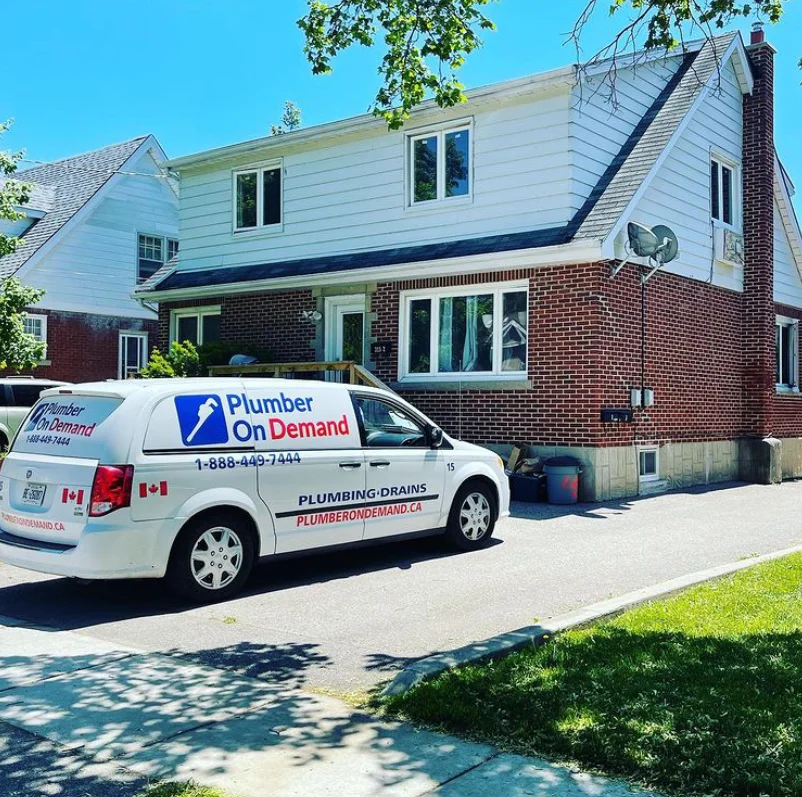
A callout charge is one way a service provider can describe what a customer pays for an initial visit. Some providers include part of the working time in that charge. Some separate diagnosis from the eventual repair. Others publish fixed-price services without a separate callout charge. The terms supplied by a particular provider determine what the customer is buying. The photo of a service van illustrates the travel involved; it does not indicate what that photographed company charges or what anyone should hire.
Keep the journey and the work visible
Consider a fictional repair provider that charges seventy dollars to visit, including travel and the first thirty minutes of work on site. After that time it adds twenty dollars for each further block of twenty minutes or part of one, with parts recorded separately. If the technician works for forty five minutes, the example produces a labour and visit charge of ninety dollars before parts or applicable taxes: seventy for the visit and included time, plus one additional block. That example teaches a method of reading a charge. It is not a recommended price or a description of current offers.
Change the fictional terms. Now imagine a second provider who charges thirty dollars to travel and forty dollars for half an hour of work from the start, with its own billing conditions for additional time. The initial seventy dollars can describe practically the same total under one duration and behave differently under a longer one. Comparing the names of the charges without comparing inclusions can make similar offers look unrelated. Conversely a shared phrase such as callout can make very different arrangements look comparable.
CMG Heating and Plumbing's published terms give an example in which a callout charge can cover travel and a named initial period if fixed pricing is not possible. British Gas describes a different form of one-off repair offer with fixed pricing and no separate callout charge. Those are published examples, not recommendations or promises about any specific future work. They demonstrate why an itemised visit and a single quoted price can distribute the same kinds of activity across different labels.
Diagnosis can be a deliverable
A contractor may be asked to inspect a problem before estimating a repair. Under one set of terms, that inspection might be included in an approved job. Under another, it can be a distinct service with a report or an explanation. A person asking for help needs to know what is owed if they accept the visit but decline the proposed repair. Without that answer, a zero price for the eventual repair tells them nothing about the amount due for getting it assessed.
Use a simple case. A technician expected to replace a visible part but finds that the source of the problem lies elsewhere. The visit has established something useful even though the originally discussed work has not happened. The invoice should connect any amount charged to the agreed scope of that visit. A separate repair estimate can then name work that was not yet authorised or performed. A customer can compare that estimate with other information without making the visit vanish from the previous record.
The diagnostic time can be explained more clearly if there is a question attached to it. Is the aim to locate a fault, determine whether an item can be repaired on site or give a fixed quote for a next stage? A well scoped visit answers one or several of those. It should be possible to say which. An ambiguous request to come and sort it out can be understood as approval to inspect on one side and as a promise to finish everything on the other.
Set out what starts a second charge
A first visit can end with a part ordered or more work proposed. A customer and a repairer both need an answer about the second visit. Is travel already included? Does a credit apply to a charge paid earlier? Is the part included in a fixed price? If the technician can finish during the first visit, a longer labour interval might trigger a different amount. If work has to wait, a return trip could affect the calculation instead. The answer belongs in the actual written terms and scope, not in a guess based on what happened in the neighbour's house.
For a fictional job, suppose the initial visit costs seventy dollars and the company offers to credit it against a separately agreed 210 dollar repair. If the terms say that the credit is included, the later balance for that repair would be 140 dollars after the seventy paid. If no credit is offered, both amounts can stand as separate purchases. The arithmetic is easy; determining which numbers appear in it is the real agreement. Keep the initial invoice and the later quote together so the same amount is not added or subtracted twice by mistake.
There is also a useful difference between a price and an estimated duration. A technician who says a job will probably take an hour may be describing one likely case rather than setting an hourly cap. If payment depends on time, the quote can state what happens after the estimate is passed. If the price is fixed for named work, identify what would move the job outside that scope. That gives the customer a meaningful point at which to decide whether to approve a change.
What the service provider is reserving
A service van is a small moving supply room as well as transport. Carrying likely items can make first visits more productive, but it cannot guarantee the right item will be there. Travel time and a working appointment cannot be stocked for later. Once a slot has been used, the provider cannot fill exactly those minutes with another visit. That helps explain a minimum, even when completion of a minor task takes relatively little time after arrival.
Different routes make different demands. A job around the corner may be easier to fit beside another than a visit that takes someone across a service area. A firm can choose to show that variation as a difference in charge, or average it within a defined service. A published fee is the seller's chosen way to present the offer, rather than a minute-by-minute account of everything the company spends. That is why a visit charge can stay the same while the journey itself varies.
A second appointment on the same road shows how costs and prices can diverge. The technician might combine visits and spend much less travel time on the second than if each were made from the depot. A shop could keep the published minimum for both appointments because it reserves the same ability to do work at the property. Another shop could publish a discount for combining several jobs at one location. Neither pricing choice follows automatically from the reduction in distance. A buyer comparing them needs the total agreed charge and the stated scope, not the route the van happened to take that morning.
An after-hours offer can make a different promise from an ordinary slot. The time at which a technician can be sent, whether overtime or other charges apply and the work that can be completed on the first visit are distinct questions. A company might offer to attend promptly and arrange parts later. Another might quote a different price for a less urgent appointment. Comparing the headline fees without considering the promised service time can make the second look cheaper for doing something the first customer did not ask for.
Notice also the way cancellations are handled under a provider's terms. If a slot is given up before a visit begins, the ability to offer it to another customer may matter. No one should assume a particular charge follows from that fact; it helps explain why a provider may state its cancellation policy separately from its charge for a trip.
Make the comparison at the point of agreement
The best time to understand a callout charge is before someone makes the trip. Ask what the visit includes, what is owed if no repair is agreed and when another charge starts. Then keep that information with the later estimate. Two offers can be compared for the same initial visit, the same known repair or both. There is no need to call them equivalent simply because they each use the word callout.
A useful final record says why the technician came, what was established and what work was completed on the agreed terms. The doorbell marks a visible moment in that sequence. The cost is easier to understand when the other moments, before and after it, have their own descriptions as well.