The Visits in a Museum Membership
A year of admission can change when people visit as well as how much they pay. There are two useful ways to count the visits, depending on which side of the desk you are on.
In this story 4 sections
A woman spending one afternoon at a museum tries to see nearly everything. Two rooms that interest her have to share time with the collection she expected to love and a stop for lunch. Another person comes after work, sees one room and leaves before their friend has finished with the sculptures. They can both have had a good visit. If one had already paid for a year of access and the other bought a ticket that afternoon, there was an economic reason for the different pace. It is easier to stop after a single room when coming back does not require making the same purchase again.
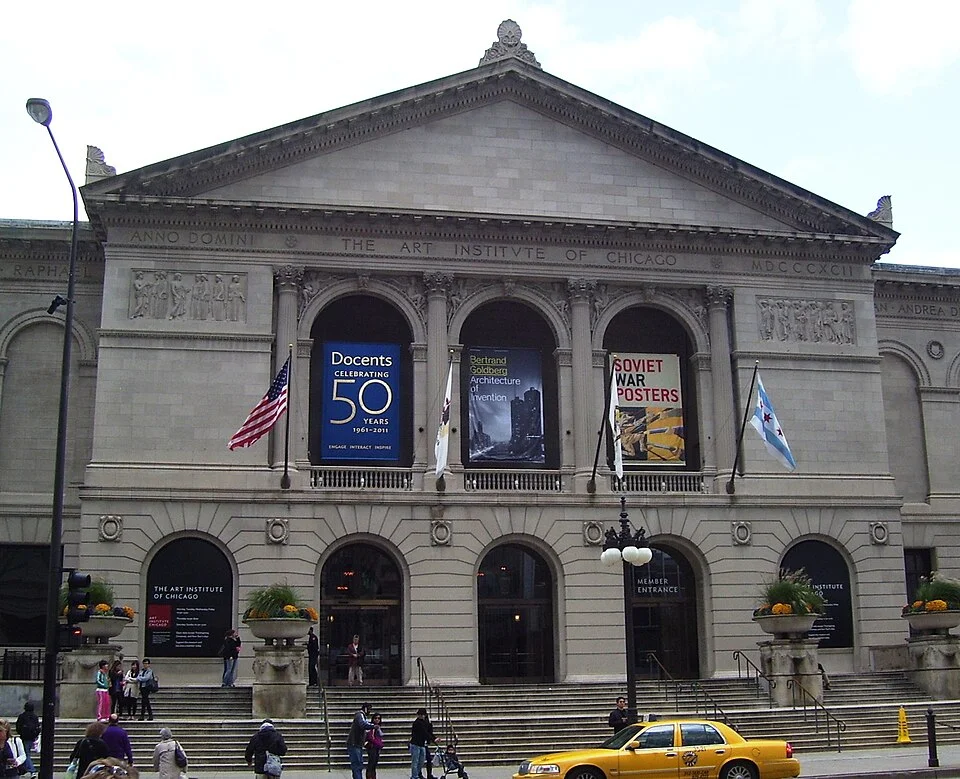
Museums sell many different things at the same counter or on the same website. Admission for a day answers the traveler’s question of whether it is possible to come in now. A membership may give access over a longer time, according to its terms, as well as named benefits. The Art Institute of Chicago is one example of a museum that distinguishes the two kinds of offering. Its archived visitor information illustrates one exhibition for which member access was explicitly identified. That is a useful detail, and a good reason to check the current terms for the museum and exhibition being considered rather than assuming a past arrangement still applies.
Start with the person who would have visited anyway
Consider a fictional local museum with regular admission at $24 and an individual membership for $90. Assume for the moment that every comparison visit is otherwise paid at $24, that all of them are eligible under the membership, and that the person values no extra benefit. Three separate tickets come to $72. Four come to $96. The fourth paid visit makes the membership cheaper in simple cash terms. The calculation is helpful because it is small enough to check. It also makes a large assumption about what the same person would have done without the pass.
Now assume that one of those four visits would have been on a free day the person already liked to use. The ticket alternative in this example then consists of three paid admissions and one free outing. The threshold changes even though the number of entries through the door remains four. If one of the days was at another museum or was part of a school event with a distinct arrangement, it would need its own treatment. The clean calculation should include actual opportunities that are comparable. Otherwise it is possible to justify almost any membership price by ascribing a regular ticket to outings that never carried one.
The same caution applies to guests. A person who always visits alone might pay for something they will rarely use if a higher tier mainly adds guest admissions. A person who routinely takes a relative may find it useful. Compare the number of visits and the number of people who could actually use the advertised arrangement, and ask whether they must enter together or reserve at certain times. A group of four admissions in one noon is a different pattern from a single person entering on four successive Saturdays. On the cashier’s side these transactions need not be interchangeable.
Give the unplanned visit its own category
Someone who owns the pass may visit more often than they would with tickets. They stop while waiting for a person at a nearby station, visit one work again or go to a room they would have passed on a carefully planned annual trip. This is one of the effects the offer can have. It also explains why dividing the membership fee by all actual visits does not calculate the money saved. If three visits were firmly planned and three more would never have been bought separately, treating all six as six lost $24 purchases is a misleading bit of arithmetic. The three new visits can be valuable without each having saved the price of admission.
It can help to make a short list before buying. Include the known trips and the uncertain ones, and list any time limits or other things that could change them. When comparing afterward, mark which outings happened because the membership made them convenient. Someone who visited ten times can still learn quite different things about each part of the list. Three gave relief from buying the usual ticket. Several made a short stop feel worthwhile. One was disappointing because the benefit imagined for it was not included. The third kind of experience is useful information too.
An uncertain visit has value before it happens, in much the way that knowing a quiet place is available after work gives you an option. No special formula is necessary to recognize that. If the household has little discretionary time or there is a considerable journey to the building, the option may rarely be used. Someone who goes past the door every week is in a different position. An argument over whether “museum memberships are always worth it” goes nowhere until those schedules and locations are made visible.
The museum sells something over a period of time
For the museum, a membership can bring in money before all the related visits have happened. Some purchasers will visit little, some will visit a great deal and some will use parts of the program other than ordinary admission. Staffing, opening the building and caring for a collection do not depend entirely on a single visitor’s decision to appear. A popular member event can nevertheless create costs, and high-demand periods can require capacity to be reserved. Selling access for a year does not make any one future hour infinitely available.
Consider two fictional sets of members with the same total annual visits. One group distributes its visits fairly evenly. The other arrives in a few big waves, often for the same exhibitions. The attendance numbers over the year agree. The second group can still create a very different operational demand. Staff might need admission to be arranged in particular windows and visitors might be disappointed if everyone understood their memberships as a guarantee of entry at the same busiest moment. A reservation requirement and a membership offer can coexist for this reason. They address different parts of providing access.
The museum may also value relationships it can maintain beyond the present exhibition. A recurring visitor might have a reason to learn about programs or give feedback. A membership should not be credited with producing that result automatically. People who already visited frequently may be more likely to become members in the first place. To investigate what changed, distinguish prior habits from new patterns. A wave of renewals soon after a memorable exhibition may say something useful without telling the institution how a visitor who first came for another reason will behave.
Another way to see the capacity problem is to imagine a gallery with a limit of sixty people at once. If people usually remain for half an hour there is some regular turnover, but a group of thirty arriving as one group cannot be treated as thirty otherwise independent arrivals. If only twenty places are open at that moment, the gallery has a scheduling problem even on a day that will end with modest attendance. A ticket system may help the museum spread gatherings across the day, while a membership opens more possible days for each household.
The distinction works in the other direction, too. Having no plans for a gallery in late afternoon does not make the museum able to open another floor at no expense. There can be a whole extra shift to staff. In setting terms, an institution can offer an interval in which visits are possible without promising to make capacity available everywhere during it.
Keep the terms capable of an ordinary reading
A simple page explaining a membership should give the price, period and rules that most affect ordinary use. Is the period measured from an anniversary or from a calendar year? What part of the museum or program is included? Are there special cases for guests, named members or high demand? A visitor reading the terms six months later can often use a calendar and the old receipt to resolve one question. Clear terms allow them to do the same for a ticketed event or another institution covered by a reciprocal agreement, if such arrangements are actually offered.
Purchase terms can also separate services from other motivations. A supporter may want the museum to have a reliable source of income even if they expect barely to visit. They do not have to turn that support into a supposed ticket discount to make sense of it. Another household may be deciding quite strictly between several possible outings. Both can make reasonably different judgments from the same clearly described offer. Trouble comes when a quoted effective ticket price buries the substantial parts of the offer one of them cares about.
In the last few minutes of the short visit, there is no arithmetic hanging on the wall next to the one painting the person came back to see. Yet the arrangement changed the visit. One day of access let someone make a rather large plan. A longer period gave someone else a chance to use only part of the museum at a time. The money tells us where a break in the ticket comparison comes. The calendar tells us whether the comparison has room for the kinds of afternoons people actually have.