What a Bottle Deposit Pays For After You Finish the Drink
A refund makes the empty container worth bringing back. Whether that trip happens depends on the money, the return route and the work somebody must do at the other end.
In this story 4 sections
A bottle can have a second transaction after the drink has been consumed. The first transaction gives a customer something to drink. The second offers a refund to someone who brings back an eligible container. Between the two transactions sits a real object that needs somewhere to wait, a route to a return point, and a way to be recognized when it arrives. A small sum of money turns some of that work into a choice made by whoever has the container. The design question is how much of the work that choice can reasonably support.
Oregon is one example of a jurisdiction with a beverage container refund system. The state’s published information identifies eligible containers and describes the ten-cent refund value, along with the roles of stores and redemption centers. Keep those local rules attached to Oregon. A program elsewhere can have a different amount, different eligible packages and different ways of returning them. Even within one program, the way a charge appears on a bill and the rule that defines the refund are details to check separately. Much of the economics can be seen without treating one set of rules as universal.
A refund creates a use for an empty
Consider ten bottles, each worth ten cents to someone who can return it. The arithmetic says the group has a refund value of one dollar. For a person who passes the return point while doing another errand, the additional trip can be small. For somebody who would need to travel separately and has little space to keep empties until then, the effort can be substantially greater. The dollar remains the same. The convenience of collecting it can change how much of the dollar matters to the decision.
This explains why a return point can be as important as a change in the amount paid. A site can be physically close and practically hard to use if it keeps limited hours or lacks a clear way to enter with a bag. A more distant site can be a regular part of someone’s route and therefore relatively convenient. A customer can also pass the container to another person or a group that will make several returns together. That transfer changes who has to do the work. The incentive travels with the eligible object because the empty still has a recognized refund value.
Someone comparing the prices of drinks at the shelf should keep the deposit and the product price visible separately where the receipt or label makes the distinction. Consider two people buying the same eligible drink at the same price. One gets the refund and one does not. Their cash flows differ by the amount that came back to the first person. Neither person received a different drink, and the store did not necessarily change the underlying price of that drink. The refund belongs to what happened after the purchase. That is a reason to show it separately when explaining where the money went.
Count the trips the customer already makes
A helpful comparison starts with a map of ordinary errands. Find the place where the containers are collected or stored, then add the places a person already visits at workable times. A return point on one of those routes offers a chance to combine movements. One at the end of a road somebody never uses creates another decision about travel. If the system works best with groups of containers, people also need a feasible way to collect those groups. Space at home, time to sort and the ability to carry containers influence whether the return becomes routine.
Imagine two otherwise similar shops. At the first, the return point is easy to spot on the route into the store. At the second, a person needs to find an entrance around the building and learn where returns go. A regular customer may adapt to either. An infrequent customer could decide the second trip is too uncertain. The difference can show up in visits before anybody records how many containers came back. Information is part of the service. A sign that tells a person what is accepted and when can reduce a wasted trip as effectively as moving some equipment closer to the door.
A return can also piggyback on work that happens at a different scale. A group might collect containers in one place and make a trip when enough accumulate. A program might give some users an option to leave an authorized bag for later counting. Those arrangements make the handling of small amounts easier to combine. They can also change when the refund becomes available and where responsibility moves from the collector to the operator. Ask where the money is received as well as how the material is gathered. The two processes may meet at one counter or after a later step.
A clear rule matters at the return point
A redemption service has to identify items according to the rules that apply to it. In one program, a particular kind or size of container can be covered while a similar-looking one is outside the scheme. The shape of a package alone is poor evidence. Look for the markings and the local rules that explain what may be returned. A tired customer with a mixed collection benefits from straightforward information before they reach a machine or service window. The operator needs a way to resolve a disputed item without turning an ordinary return into an argument at the front of a queue.
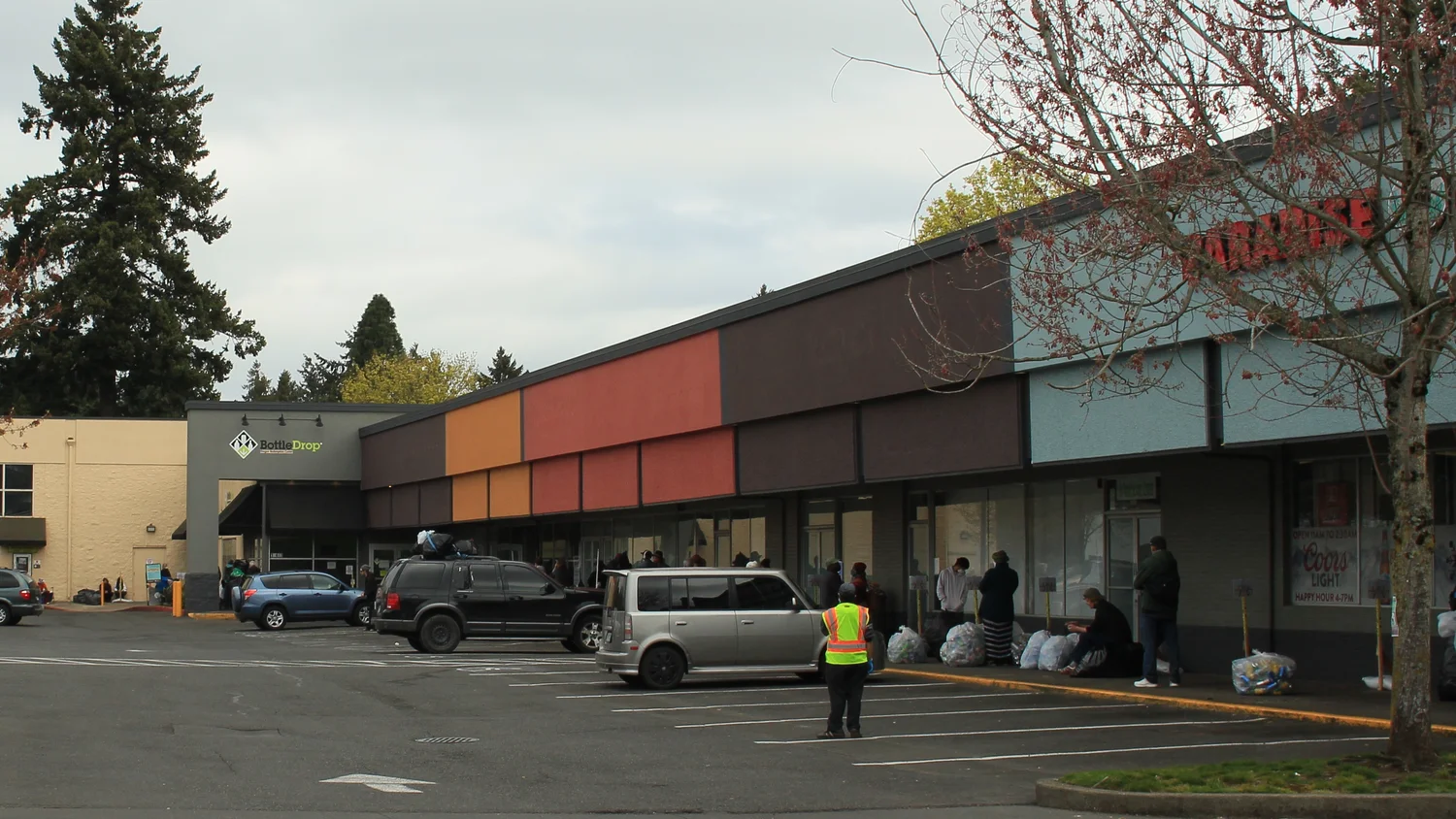
There is economic work behind the acceptance. Containers have to be handled, grouped, counted or verified, and moved onward. A cleaning or equipment problem can raise the amount of time needed to make the same number of refunds. A busy return location needs room for people, collection containers and the movement of material beyond the public area. A photograph of a clean entrance can provide a good view of the first step, as the cover photograph does here. The work after that step is one of the reasons a refund system needs an operating process as well as a posted amount.
Keep the word return distinct from the word reuse when following what happens next. A container returned for processing may be part of a material recycling stream. A refillable container involves a separate system for preparing it to be used again as a whole container. Both can attach value to bringing something back, while the steps after acceptance differ. A reader comparing programs should check which result is being counted. The number of eligible packages received does not by itself specify how each of them was used afterward.
Look at the money beside the journey
To evaluate a proposed improvement, choose a result and a time period. A location change might improve access for people on foot. A change in hours might help people who already pass the site after work. Clear markings on packaging might reduce the number of unsuitable items brought to a return point. Each addresses a different place at which a person can give up. Counting returns before and after the change is useful when you also know what else changed. The same location can be handling a different volume of beverage sales, or have gone through a temporary interruption in service.
It helps to ask who experiences the cost when the process fails. A customer may spend time making a trip without receiving the expected refund. A worker may be left to handle material that the site cannot process. A group collecting items may need to store them for longer than planned. A design that reduces the burden on one group can move it somewhere else. Give each step a person responsible for carrying it out and a place where it happens. You can then compare a fixed refund with the changes that make it easier to claim.
The next time you read a refund amount on a container, imagine the same bottle just before it changes hands again. The amount gives someone a reason to bring it to a place that can receive it. The return location, the local rules and the work of handling it make the amount useful. A small financial signal can direct a large number of objects when enough people have a practical way to act on it. Following one of those objects through the second transaction shows what the printed number has actually bought.
There is a final caution when comparing return figures. A center might report a large number of containers accepted because it serves visitors from several neighborhoods. Another count might describe the share of eligible containers returned from sales over a broader area. The first is a measure of work handled at a place. The second compares returns against a specified group of purchases. A busy counter can be valuable evidence about how people use a service and can still leave a different question open about how many items are never brought back. Give the figure a time period, an area and a clear denominator before attributing its change to a particular decision.
For a simple local check, notice where a person can first discover the rules, how many separate visits the return requires and what the operator can do with the item once it is taken. A claim about the refund amount belongs beside those practical observations.